
A blend of carbon-free electricity to power EAF steelmaking and 20% green hydrogen for natural gas DRI would substantially reduce emissions at just a 3% cost premium for steelmakers.
An analysis of Mars's clean energy procurement on behalf of its value chain found that broad adoption by large corporations could create significant new demand for renewable energy.
The team from Duke University, Climate TRACE's lead on the buildings sector, published a new peer-reviewed article about their method for estimating building emissions.
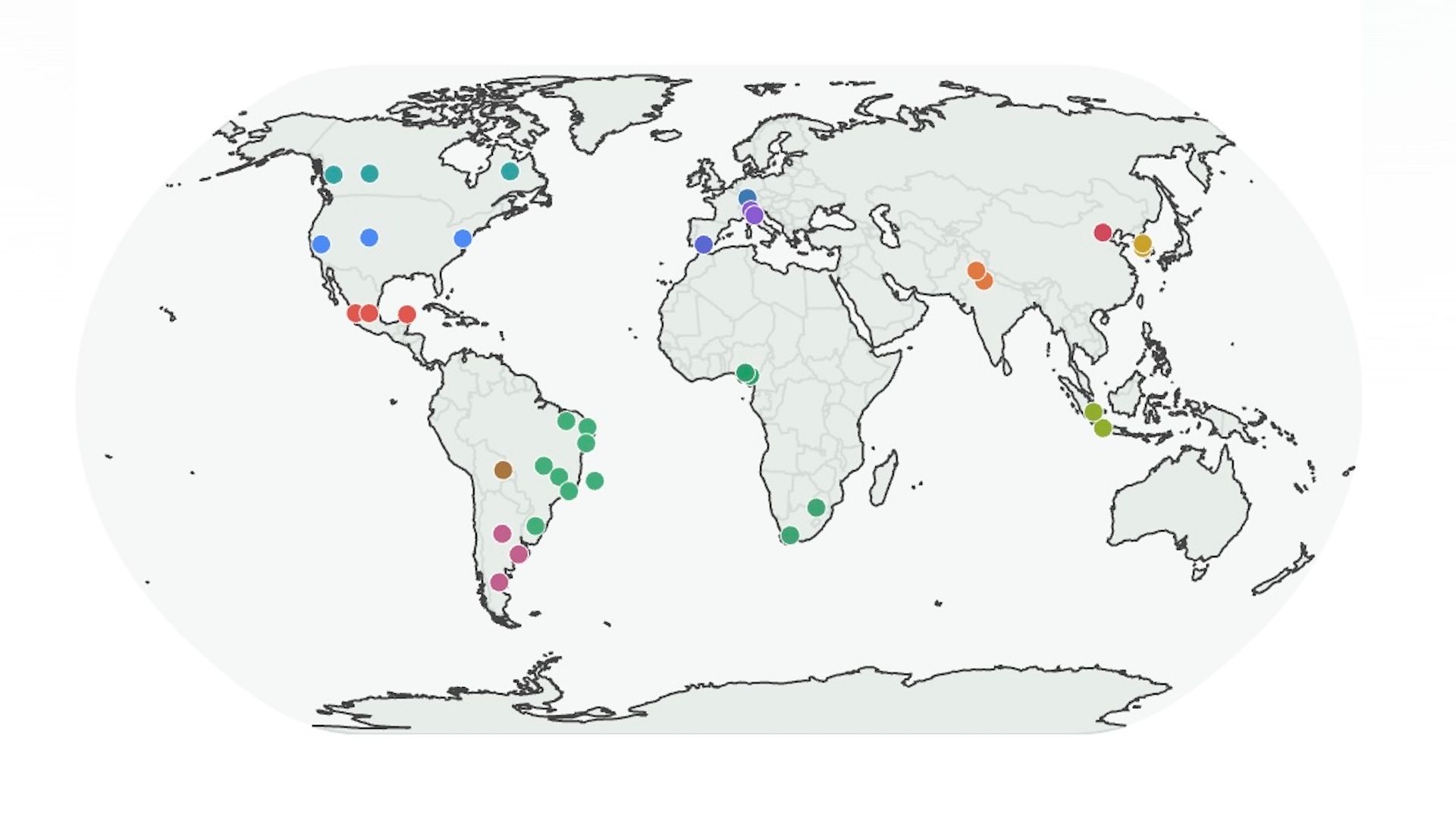
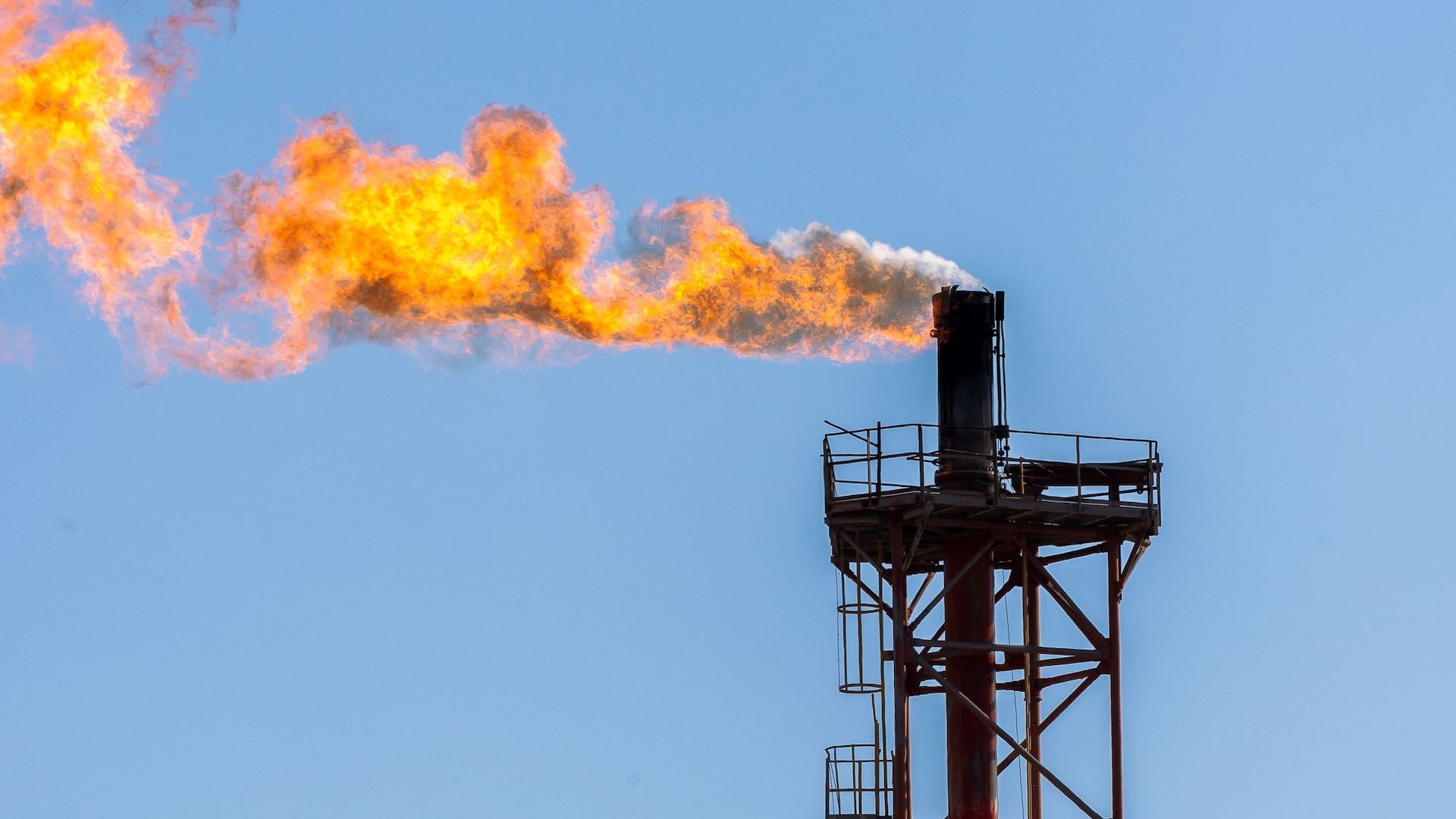
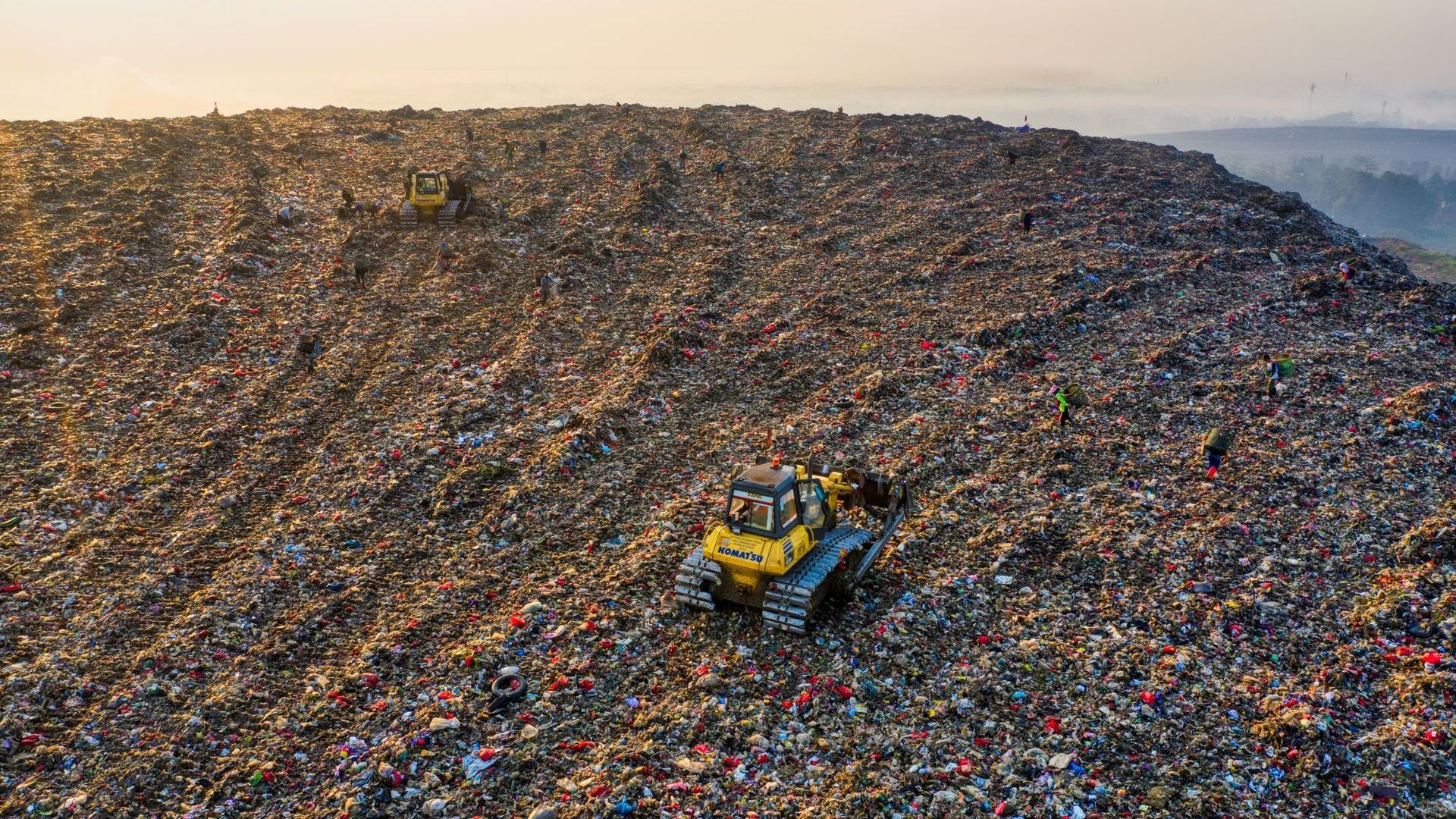
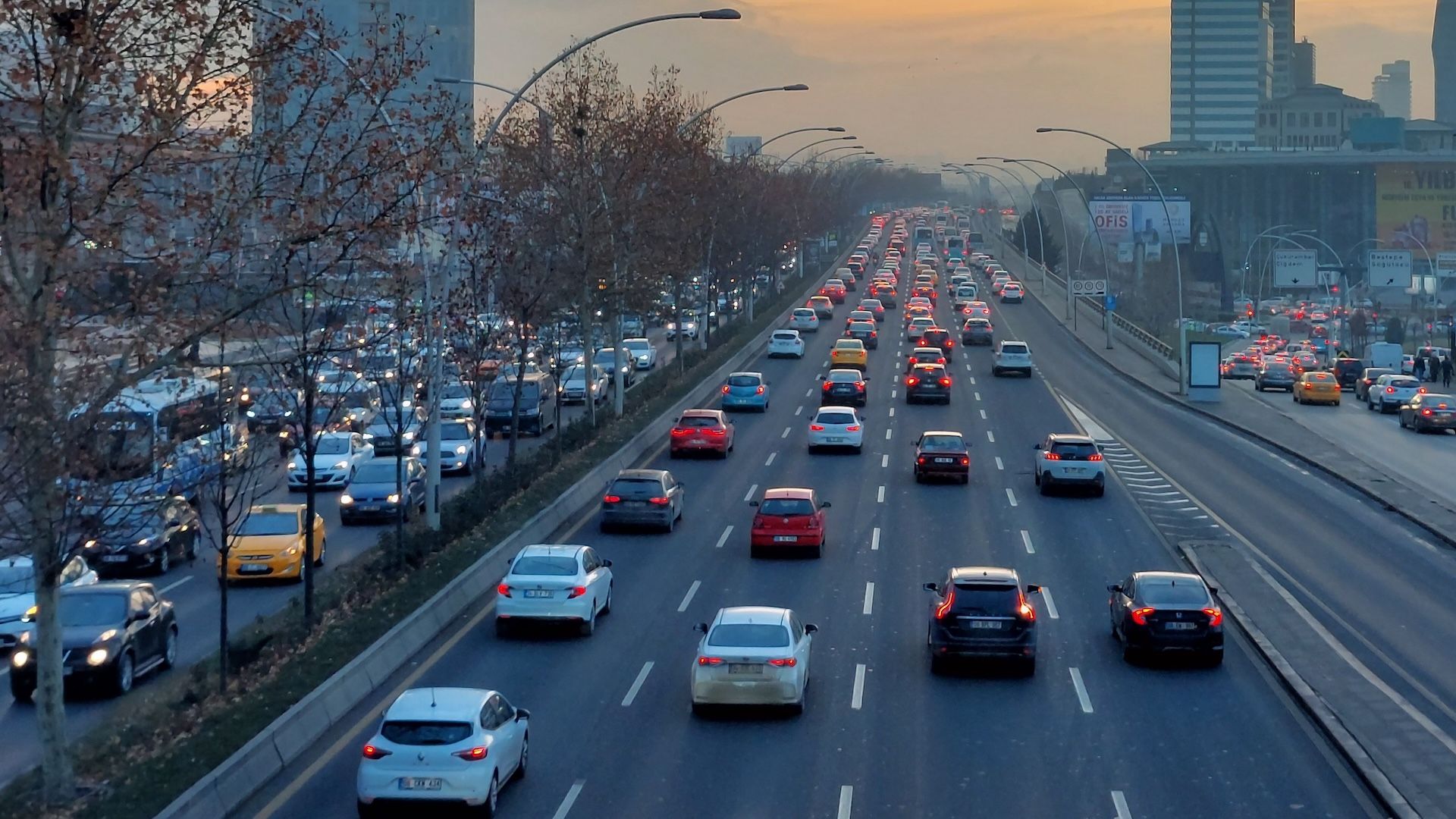
Most human economic activities release greenhouse gases into the Earth's atmosphere. We use satellites and other remote sensing technologies to spot these emissions activities.
In this EarthTalk article, the critical role of continuous environmental monitoring is highlighted, showcasing how organizations like Climate TRACE are leading the charge in using near-real-time data to hold polluters accountable and drive data-driven climate action worldwide.
While early studies analyzed the EU CBAM using country-level metrics, this paper uses Climate TRACE shipment-level trade data and facility-specific emissions estimates to show that the mechanism is already driving cleaner production and shifting the competitiveness of individual Indian steel exporters based on their actual emissions intensity.