Methane Reductions in Rice Cultivation
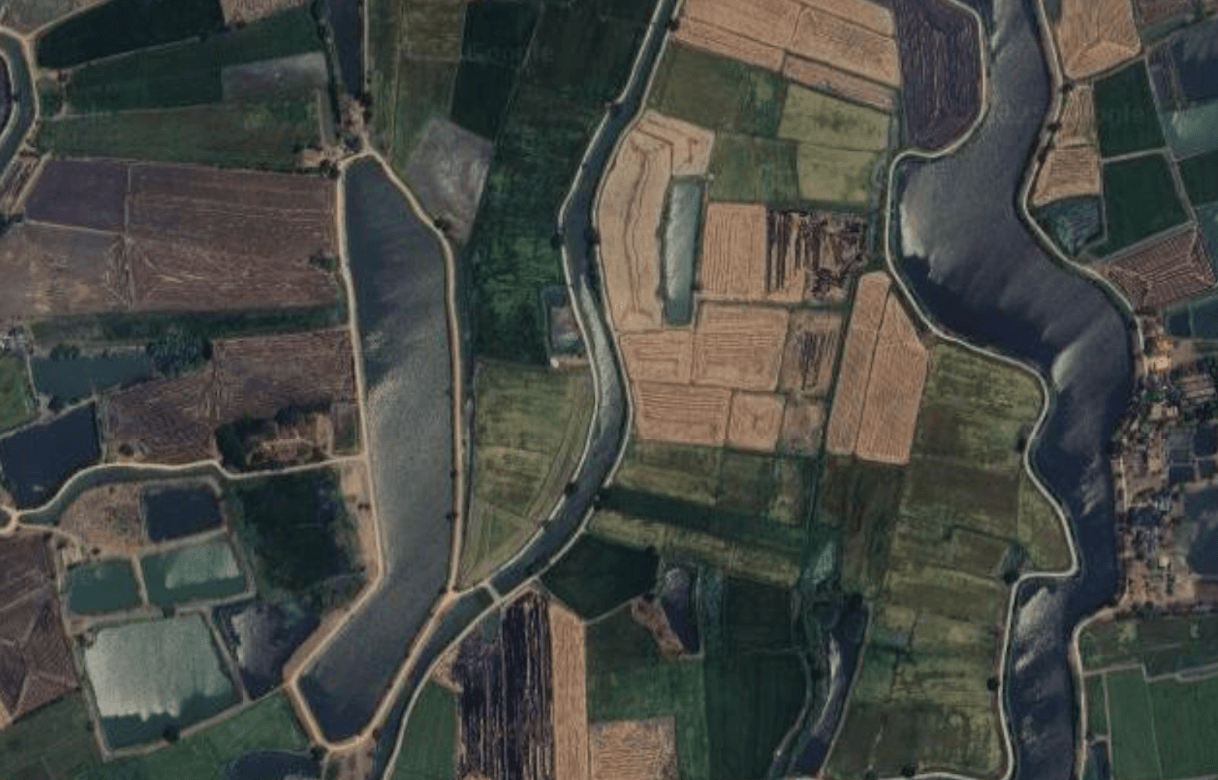
Thailand’s NAMA Rice Farms, THA
320,000 hectares for rice cultivation
Sector: AGRICULTURE
Annual Emissions Reduction Potential
-
Total Project Impact: 266,730 tCO2e
-
ERS Global Potential: 169 MtCO2e
Download the PDF: Methane Reductions in Rice Cultivation
How Farming Practices Reduce Emissions
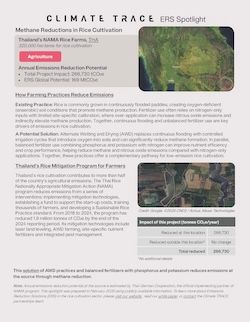
Existing Practice: Rice is commonly grown in continuously flooded paddies, creating oxygen-deficient (anaerobic) soil conditions that promote methane production. Fertilizer use often relies on nitrogen-only inputs with limited site-specific calibration, where over-application can increase nitrous oxide emissions and indirectly elevate methane production. Together, continuous flooding and unbalanced fertilizer use are key drivers of emissions in rice cultivation.
A Potential Solution: Alternate Wetting and Drying (AWD) replaces continuous flooding with controlled irrigation cycles that introduce oxygen into soils and can significantly reduce methane formation. In parallel, balanced fertilizer use combining phosphorus and potassium with nitrogen can improve nutrient efficiency and crop performance, helping reduce methane and nitrous oxide emissions compared with nitrogen-only applications. Together, these practices offer a complementary pathway for low-emission rice cultivation.
Thailand’s Rice Mitigation Program for Farmers
Thailand’s rice cultivation contributes to more than half of the country’s agricultural emissions. The Thai Rice Nationally Appropriate Mitigation Action (NAMA) program reduces emissions from a series of interventions: implementing mitigation technologies, establishing a fund to support the start-up costs, training thousands of farmers, and developing a Sustainable Rice Practice standard. From 2018 to 2024, the program has reduced 1.9 million tonnes of CO2e by the end of the 2024 reporting period. Its mitigation technologies include laser land leveling, AWD farming, site-specific nutrient fertilizers and integrated pest management.
This solution of AWD practices and balanced fertilizers with phosphorus and potassium reduces emissions at the source through methane reduction.
Note: Annual emissions reduction potential at the source is estimated by Thai-German Cooperation, the official implementing partner of NAMA program. This spotlight was prepared in February 2026 using publicly available information. To learn more about Emissions Reduction Solutions (ERS) in the rice cultivation sector, please visit our website, read our white paper, or contact the Climate TRACE partnerships team.