Shifting to Solar Electricity Generation
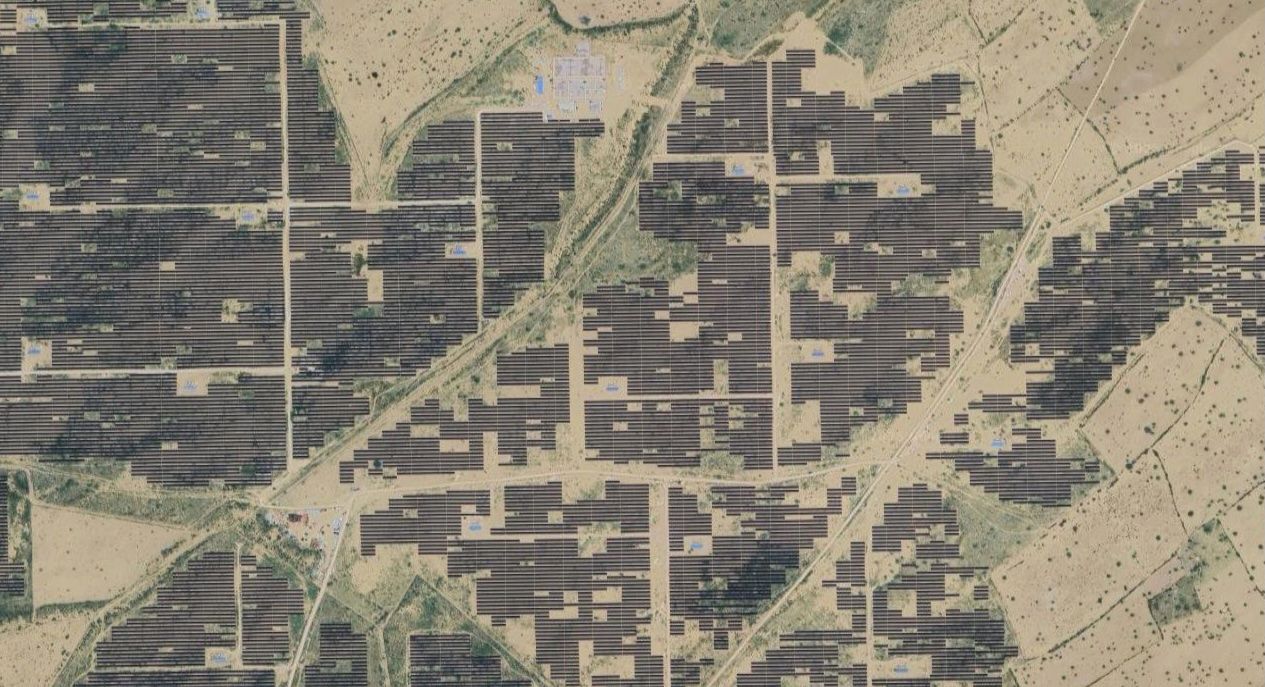
Amazon Solar Farm, Rajasthan, IND
210 MW of renewable energy capacity
Sector: POWER
Annual Emissions Reduction Potential
- Total Project Impact: 280,000 tCO2e
- ERS Applied Globally: 9.2 BtCO2e
Download the PDF: Shifting to Solar Electricity Generation
How Renewable Energy Plants Reduce Emissions
Existing Practice: Conventional power generation in much of the world remains anchored in coal-fired plants, many of which are decades old and operate at low efficiency. Because coal is carbon-intensive, these systems routinely produce high emissions per unit of electricity generated. Countries with large coal fleets, such as India, demonstrate how aging plants can sustain elevated grid-emission intensities even as renewable capacity grows quickly.
A Potential Solution: Expanding renewable electricity generation is one of the most effective ways to reduce power-sector emissions in coal-reliant grids. Each megawatt-hour of solar or wind generation lowers the grid’s overall emissions intensity. Prioritizing renewable projects in high-emission power systems accelerates decarbonization and improves air quality while strengthening grid reliability. As coal plants retire and renewable capacity grows, these projects help drive long-term emissions reductions aligned with national climate goals.
Amazon Expands Renewable Capacity in India
The Amazon solar farm built by ReNew Power in Rajasthan, India is a utility-scale project built in one of the country’s highest-solar-potential regions. By feeding zero-carbon electricity into one of the world’s most carbon-intensive marginal grids, the project maximizes real-world climate impact while supporting India’s national renewable-energy targets. With an estimated 280,000 tonnes of CO₂e avoided annually, the project demonstrates how strategically siting renewables in high-emission grids accelerates global decarbonization, with Amazon’s project serving as one example of deploying clean energy where it achieves greater emissions reductions.
This solution of building renewable energy has zero emissions at the source and reduces marginal emissions of the connected grid.
Note: Annual emissions reduction potential at the source is estimated by Climate TRACE with existing Amazon generation data. This spotlight was prepared in December 2025 using publicly available information. To learn more about Emissions Reduction Solutions (ERS) in the electricity generation sector, please visit our website, read our white paper, or contact the Climate TRACE partnerships team.